Upledger Craniosacral therapy

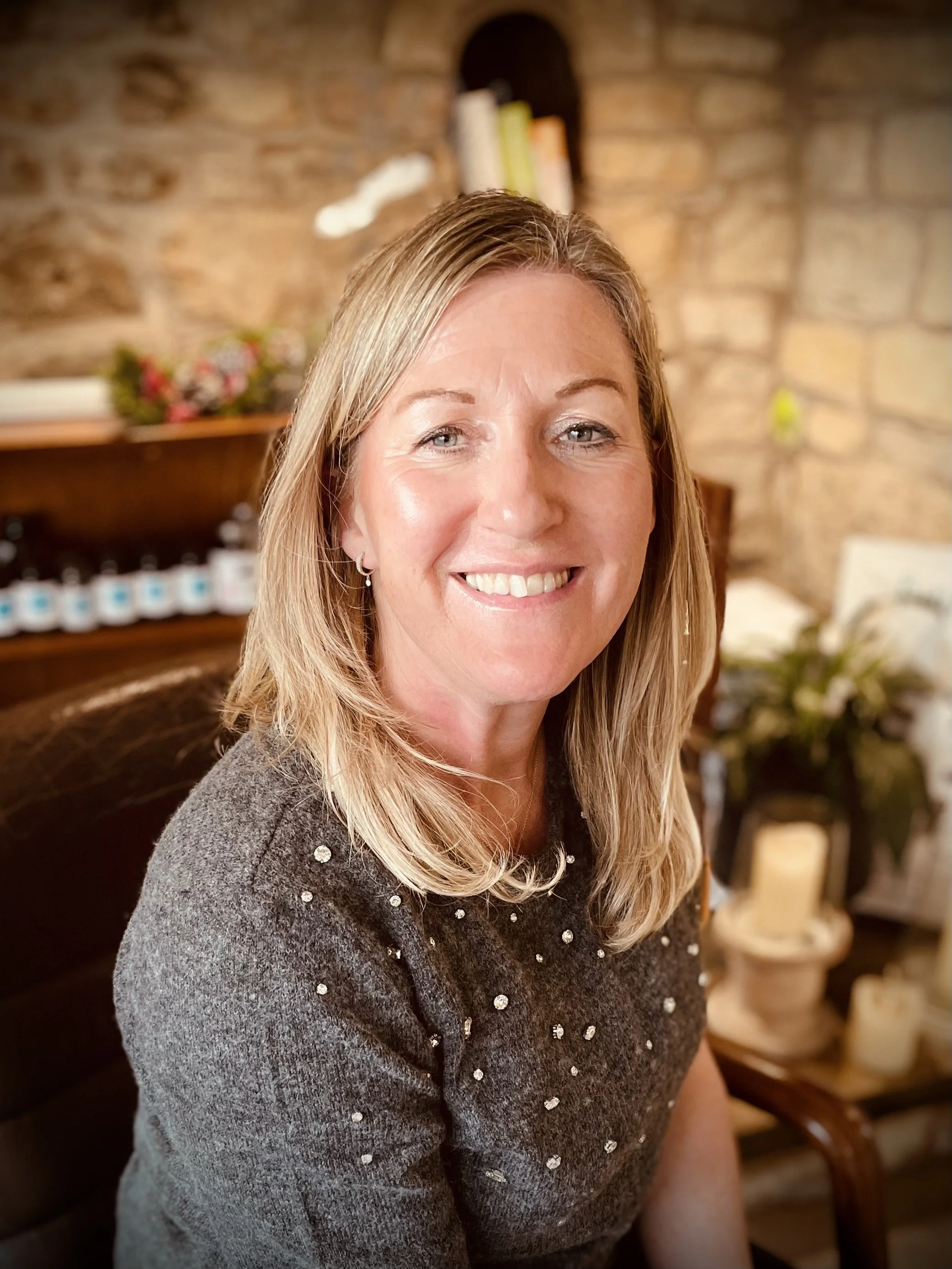
Sarah talks to us about Craniosacral Therapy - how it works, and what you can expect during a treatment.
Craniosacral Therapy (CST) is a gentle, hands-on therapy that works with the body’s natural ability to release tension and restore balance. It is suitable for all ages, from newborns to older adults, and even mothers with their babies. It is a beautifully supportive and restorative practice that supports both physical and emotional wellbeing.
The therapy focuses on the craniosacral system: the bones of the head and spine, the membranes (meninges), and the cerebrospinal fluid (CSF) that cushions and nourishes the brain and spinal cord. As CSF circulates, it creates a subtle rhythm called the Craniosacral Rhythm (CSR). Practitioners use a light touch to sense how this rhythm moves through the body and where strain patterns, restrictions, or areas of reduced mobility are present.
These restrictions can arise in the fascia or in deeper structures such as the dura mater or cranial sutures. Because tension transfers through the fascial network, the area that needs support may not be the same place symptoms are felt. CST follows the body’s internal guidance, addressing both the root of an issue and any compensatory patterns.
Clients often choose CST for support with headaches, migraines, chronic pain, stress, anxiety, trauma recovery, fatigue, digestive tension, and nervous system dysregulation. It appears to complement the body’s natural healing processes and is often used alongside conventional care.
CST may also involve SomatoEmotional Release, a recognised process that allows emotional experiences held in the tissues to gently resolve. This does not replace counselling, but can accompany physical release and deepen the therapeutic process.
what to expect
Before your first session, you’ll be asked to complete a short consultation form. At the start of each treatment, Sarah will check in with you about your goals for the session. This helps shape the focus and invites you to participate in your healing journey. You will remain fully clothed and lie comfortably on a soft, heated treatment couch, supported with pillows, bolsters, and blankets. The session usually begins with a light-touch assessment, often at the feet, to sense where the body is holding strain. This process is known as arcing.
Treatment may involve a few key areas or the whole body. Your practitioner may draw on elements of the Upledger 10-Step Protocol (working at the head, sacrum, diaphragm, or neck) or may follow specific areas of restriction that feel most relevant for your healing. Some clients notice physical changes; others experience emotional insight or a gentle unwinding of tension. Sessions may include simple, open-ended questions to help you tune into your body, but only if it feels right for you.
Please note: CST practitioners do not diagnose medical conditions unless they hold separate qualifications to do so. If you have a diagnosed condition, please consult your GP or specialist before beginning treatment.
your practitioner
Sarah Geraghty
Craniosacral Therapy practitioner
Member of the Craniosacral Society